Introduction
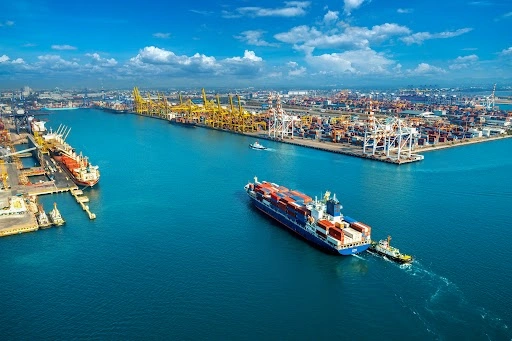
Global trade continues evolving in 2025: despite world merchandise trade reaching $33 trillion in 2024, a mix of protectionism, supply chain disruption, and geopolitical tension introduces uncertainty. In this landscape, businesses must master digitalization, sustainability, resilience, emerging markets, evolving trade policies, and new technologies to stay ahead.
1. Digital Trade & E‑Commerce
1.1 Growth of Digital Trade Platforms
Global trade isn't just business-to-business anymore. Direct-to-consumer (D2C) is booming—driven by digital platforms, AI-powered marketing, and streamlined logistics—allowing brands to bypass traditional middlemen and serve global customers directly.
1.2 Rise of E‑Commerce and D2C Models
Digital trade facilitation can reduce trade costs by up to 25%, unlocking roughly $10 trillion in global value ft.com. . Governments and businesses are racing to build digital infrastructure and regulatory frameworks to support seamless cross-border e‑commerce.
2. Sustainability & Green Logistics
2.1 Demand for Eco‑Friendly Procurement
Rising consumer demand and ESG mandates are pushing companies to use renewable energy products, biodegradable packaging, and enforce Scope 3 emissions disclosures.
2.2 Greener Transport & Route Optimization
Major firms are optimizing trade routes and transport methods—in line with climate adaptation and efficiency thrusts—as sustainability becomes central to logistics operations.
3. Supply Chain Resilience & Regionalization
3.1 Diversification & Near-/Friend‑shoring
With tariff wars and pandemic disruptions, 85 % of large companies are revamping supply chains—shifting to AI, supplier diversification, and near-shoring ft.com
3.2 Rise of Regional Trade Blocs
Regional agreements like RCEP, AfCFTA, and the India–Dubai corridor boost resilience and connectivity timesofindia.indiatimes.com. The OECD also underscores a balanced approach to maintaining open, resilient supply chains.
4. Emerging Markets as Trade Hotspots

4.1 Growth in Africa, Southeast Asia & Latin America
Strong growth across several services and goods sectors is pushing these regions toward global trade prominence—with digital integration accelerating that impact.
4.2 Strategic Opportunities for Exporters
New markets invite agile entry strategies. India is rapidly rising as a Globalization 2.0 hub—driven by private investment and trade openness.
5. Geopolitics & Trade Policies
5.1 Geopolitical Tensions & Protectionism
Under Trump-era tariffs and broader protectionist trends, supply chains are realigning. Europe, Mexico, and Southeast Asia are emerging as alternative suppliers; Europe could capture up to 65% of diverted U.S. imports barrons.com.

5.2 Policy Adaptation & Compliance
Businesses need tariff engineering, understanding of new trade agreements, and ESG frameworks (e.g., UFLPA, CSRD) to navigate the shifting policy maze.
6. Technology & Innovation
6.1 AI, Automation & Predictive Analytics
AI and machine learning drive forecasting efficiency, logistics optimization, and trade insights.
6.2 Intelligent Supply Chains & Digital Twins
Metaverse and digital twin technologies enhance supply chain resilience by simulating risks and enabling real-time, data-driven decision-making.
6.3 TradeTech & Blockchain in Trade Finance
Blockchain-powered trade finance is improving transparency, reducing costs, and enhancing trust across trade ecosystems.
7. Other Notable Trends
7.1 Data‑Driven Trade Strategies
Organizations are embracing analytics to fine-tune sourcing, pricing, and market entry decisions
7.2 Focus on Niche Segments
Specialized, high-value niches offer competitive differentiation and profitability in saturated markets.
7.3 Risk Management & Regulatory Compliance
Geopolitical risk forecasting, documentation accuracy, ESG compliance, and legal adherence are indispensable for global trade players.
8. TerraSourcing – #1 Global Export Enabler
If you are looking for any help in the import-export business, TerraSourcing is here to support you. TerraSourcing is a global export enabler connecting verified exporters to trusted international importers. It helps businesses export worldwide with actionable market research reports, verified trade leads, and its Export Success Mastery webinars. These tools empower exporters with knowledge, confidence, and connections to thrive globally.
Conclusion
2025 is a pivotal year in global trade. From digital transformation and eco-conscious logistics to resilient sourcing, emerging markets, and technology adoption, businesses must adapt or fall behind. The path forward demands strategic agility: embrace digital tools, sustainable practices, diversified supply chains, data analytics—and partner with global enablers.
To further empower exporters, TerraSourcing offers expert support through detailed market research reports, lead verification services, and comprehensive import export training courses. These tools and insights help new and experienced exporters make informed decisions, identify genuine buyers, and gain the knowledge needed to navigate international trade confidently and successfully.